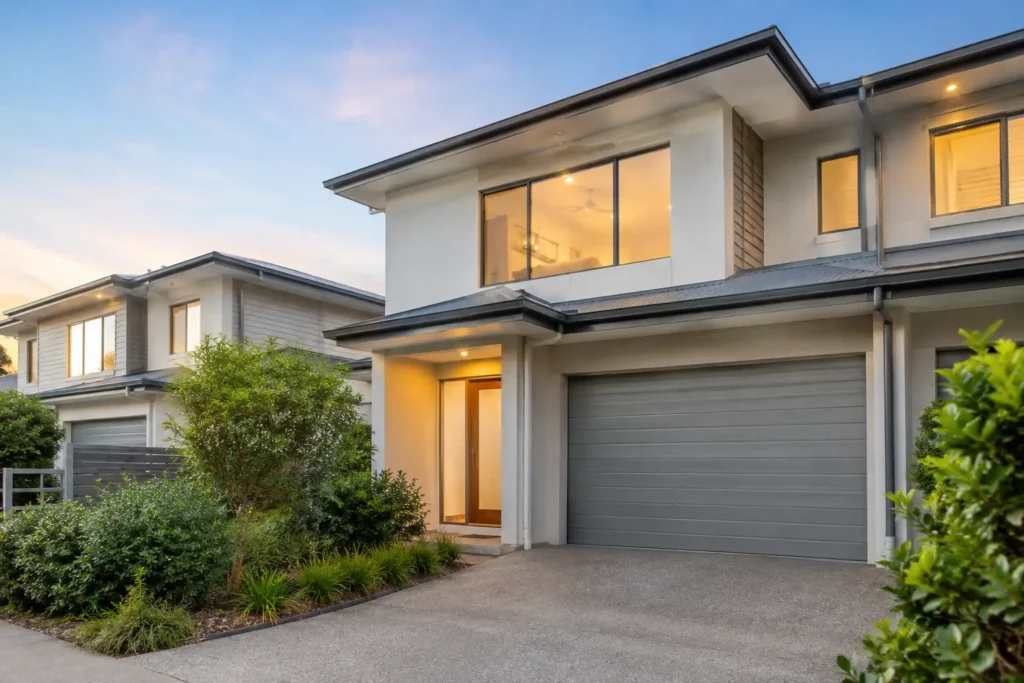
A townhouse in Baringa is not sold the same way as a detached home down the road. Buyers compare floorplans, body corporate costs, outdoor space, parking and street position quickly – often before they inspect. This Baringa townhouse selling guide explains how to position your property properly, attract serious competition and avoid leaving money on the table.
Start with the right price, not a hopeful one
The fastest way to weaken a sale is to launch above what informed buyers will pay. A high initial price may sound appealing, but it can limit enquiry in the critical first few weeks, when your listing is fresh and buyer attention is strongest. Once a townhouse sits on the market too long, buyers start asking what is wrong with it.
A strong pricing strategy is based on recent, genuinely comparable sales. That means townhouses with a similar number of bedrooms and bathrooms, comparable internal size, parking, outdoor areas, age, condition and body corporate structure. A three-bedroom townhouse with a double garage, usable courtyard and low outgoings should not be benchmarked against a smaller unit simply because it is nearby.
In Baringa, buyers also place real value on convenience. Position near parks, shops, schools, walkways and easy access to the wider Aura community can influence demand. But those benefits need to be balanced against factors such as road exposure, neighbouring construction activity, visitor parking and the privacy of the courtyard or balcony.
The aim is not to be the cheapest option. It is to enter the market at a level that makes qualified buyers take action. The best price usually comes from competition, not from waiting for one buyer to accept an inflated figure.
Know what buyers are comparing
Townhouse buyers are practical. Many are first-home buyers, downsizers, young families, professionals or investors. They tend to inspect several properties in a short period, which means the details matter.
They will compare the liveability of the floorplan, natural light, storage, garage access, air-conditioning, security, outdoor entertaining space and maintenance requirements. They will also look closely at body corporate levies, sinking fund information, pet rules, insurance arrangements and any planned expenditure.
Do not treat these questions as obstacles. Provide clear, accurate information early. When buyers can understand the ongoing costs and rules without chasing answers, they are more likely to progress with confidence. Uncertainty creates hesitation, and hesitation gives buyers an excuse to negotiate harder.
If your townhouse is owner-occupied, its presentation can become a major advantage. If it is tenanted, a sale is still very achievable, but access, cleanliness and inspection timing need to be managed carefully. A good tenant relationship is valuable, yet the campaign must still give buyers a fair chance to inspect the property at its best.
Prepare the townhouse for inspection
Townhouses often feel bigger or smaller than their floorplan suggests. Good preparation makes the space feel open, functional and easy to live in.
Start with the entry, living area, kitchen and outdoor space. These are the zones where buyers form their first impression of lifestyle and value. Remove excess furniture, clear kitchen benches, tidy open shelving and make sure every room has a clear purpose. A spare room should not look like a dumping ground for boxes, gym gear and laundry.
Small maintenance issues carry more weight in a townhouse because buyers are already assessing possible costs. Repair dripping taps, damaged flyscreens, loose handles, cracked tiles and sticking doors. Touch up obvious paint marks, clean grout and make the garage presentable. Buyers do not expect perfection, but they do respond to a property that has been cared for.
Outdoor areas deserve attention too. A neat courtyard can be the point of difference between two otherwise similar properties. Trim overgrown plants, pressure clean hard surfaces where needed and use simple outdoor furniture to show how the area can be used. Privacy screening, shade and a low-maintenance garden are particularly appealing to buyers seeking a lock-up-and-leave lifestyle.
Make the marketing earn its keep
A townhouse campaign should never rely on a few rushed photos and a generic description. The marketing needs to answer the buyer’s main question: why should I choose this property over the other townhouses available?
Professional photography is essential, but the strategy goes further. The copy should sell the lifestyle and the practical advantages without making empty promises. If the home has a larger-than-usual courtyard, a desirable end position, extra parking, low body corporate levies or a well-designed layout, lead with it. Those points may be more valuable than decorative features.
Floorplans are especially useful for townhouse buyers because they help people assess room sizes, separation between bedrooms, storage and how indoor and outdoor spaces connect. Accurate information about strata costs and inclusions should be ready for genuine buyers and their conveyancers.
The campaign should be designed to create reach and then convert attention into inspections. This means sharp presentation, accurate pricing, responsive follow-up and proper buyer qualification. Plenty of online views do not matter if the people inspecting are not in a position to buy.
Choose the sale method that suits the property
There is no one-size-fits-all answer to selling by private treaty or auction. The right method depends on buyer demand, the property’s point of difference, likely price range and how much competition can be created during the campaign.
Private treaty can work well for townhouses where buyers need time to review body corporate records, finance or building reports. It can also give a seller flexibility when negotiating terms as well as price. The risk is that a poorly managed private treaty campaign drifts, with buyers waiting to see whether the seller will reduce expectations.
Auction can be effective when the townhouse has broad appeal and there is enough buyer interest to create urgency. It gives a clear deadline and can expose the strongest buyer position in public. However, auction is not a magic solution. It needs disciplined pricing advice, a well-run campaign and buyers who are properly engaged before auction day.
A straight-talking agent should explain both options and recommend the one that gives you the strongest chance of a premium outcome. The method should serve the property, not the agent’s preferred routine.
Negotiate the whole deal, not just the headline price
A higher offer is not automatically the better offer. Finance clauses, deposit size, settlement dates, building and pest conditions, special requests and the buyer’s capacity to proceed all affect the real strength of a contract.
For example, an offer slightly below another buyer’s number may be more attractive if it has approved finance, a clean contract and a settlement date that suits your next move. On the other hand, a buyer seeking a long list of conditions may cost you time and expose you to a failed contract.
This is where good negotiation matters. Your agent should know each buyer’s motivation, financial position, preferred terms and level of urgency before taking their offer at face value. They should also communicate firmly without turning negotiations into a contest of egos. The objective is simple: keep credible buyers engaged and push for the best available terms.
Avoid revealing your bottom line too early. Once a buyer knows the number you will accept, they have little reason to improve. A well-managed negotiation protects your position while keeping the conversation moving towards a signed contract.
Have your paperwork ready before launch
Townhouse sales can slow down when documents are hard to find. Get organised before the property goes live. Buyers may request the community management statement, disclosure statement, levy notices, meeting minutes, insurance details, by-laws and records relating to known works or special levies.
If there has been a recent repair, insurance claim or body corporate discussion that may affect the property, obtain clear information early. Honest disclosure is not just the right approach – it helps prevent surprises late in the transaction.
You should also consider your own timing. If you are buying another home, speak with your broker or lender early and understand what settlement period gives you enough breathing room. A strong sale is easier to enjoy when the next step is planned.
A better result starts before the first inspection
Selling a Baringa townhouse is not about putting a signboard out and hoping for the best. It is about knowing the competing stock, presenting the home with purpose, giving buyers confidence and negotiating from a position of strength.
Before you commit to a price or sales method, get clear advice based on your specific townhouse, not a generic estimate. A detailed appraisal from a local agent such as du Preez Property Group should give you a realistic price range, identify the features buyers will pay for and set out a campaign built to achieve the best price for your home. The right preparation now can make a meaningful difference when the offers arrive.
About the Author
Rudi du Preez is one of the Sunshine Coast's top real estate agents and director of du Preez Property Group at Amber Werchon Property. A 25-year local with 250+ properties sold, specialising in Buderim, Nambour and the Sunshine Coast hinterland.
Get a Free Appraisal