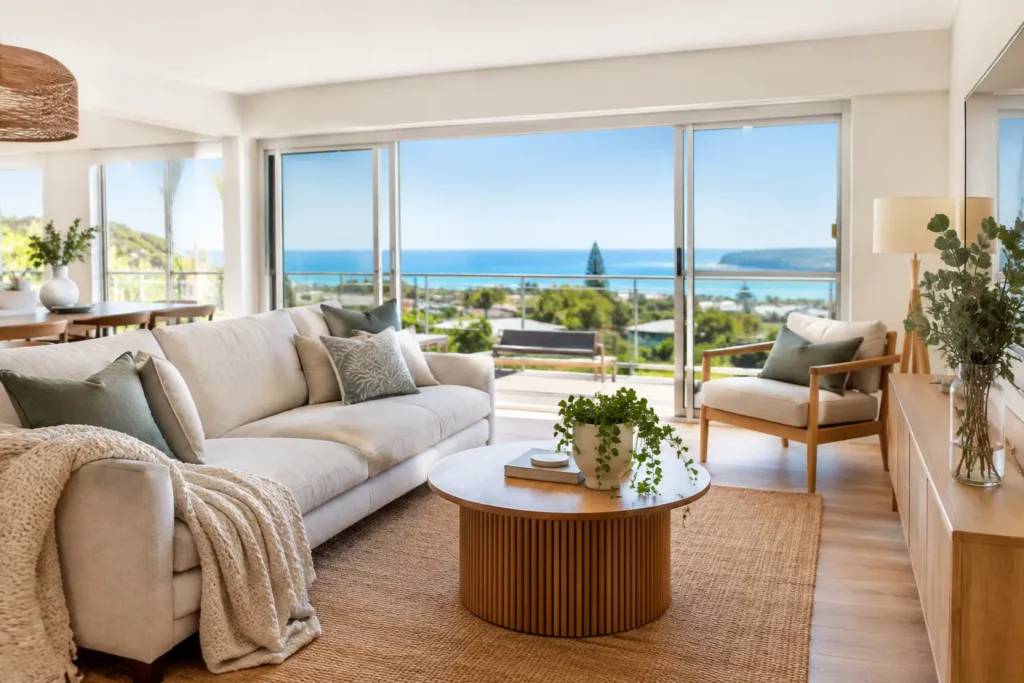
A vacant living room can make a perfectly good home feel smaller, colder and harder to understand. An overfilled one can hide the very space buyers are paying for. So, do I need staging when selling a home? Not always. But presenting your property properly is rarely optional if you want serious buyers to see its full value from the moment they walk through the door.
Staging is not about pretending your home is something it is not. It is about removing distractions, defining each space and helping buyers picture themselves living there. On the Sunshine Coast, where lifestyle, light, indoor-outdoor living and presentation carry real weight, that can directly affect buyer interest and negotiating power.
Do I Need Staging for My Property?
The honest answer is that it depends on the home, the likely buyer and its current presentation. A beautifully maintained, thoughtfully furnished home may only need editing, decluttering and a few styling adjustments before photography and inspections. A vacant investment unit, dated home or property with tired, mismatched furniture may benefit from professional staging.
The key question is not whether staging is fashionable. It is whether the current presentation helps a buyer understand the property quickly and emotionally. Buyers make fast judgments online, then reinforce them at the inspection. If a home feels dark, cramped, confused or neglected, they start looking for reasons to discount it.
A well-presented home gives buyers fewer reasons to hesitate. It shows room scale, highlights useful features and makes the home feel cared for. That does not guarantee a record price on its own, but it can help attract a stronger pool of buyers – and competition is what gives a seller leverage.
What Staging Actually Changes
Most buyers are not trained to look past a room full of bulky furniture, family photos, an unused formal dining area or a spare room piled with storage boxes. They see what is in front of them. If they cannot work out how a room functions, they may decide the layout is awkward or the house is too small.
Good staging answers those questions before they are asked. It can turn an empty corner into a study nook, show that a second living area has a clear purpose, or make an outdoor entertaining area feel like part of the home rather than an afterthought.
This matters especially for homes competing against newer or professionally marketed properties. In areas such as Buderim, Mooloolaba, Maroochydore and the hinterland, buyers often inspect several homes in a short period. The properties they remember are usually the ones that feel easy to live in and easy to imagine owning.
Staging also improves marketing material. Professional photography works best when rooms are clean, balanced and purposeful. Strong images get more qualified buyers through the door. More genuine inspections can lead to more than one interested party, which is where a skilled sales campaign and negotiation make a real difference.
When Professional Staging Is Worth the Cost
Professional staging is most useful when the property is vacant. Empty rooms can photograph well in some cases, but they often feel smaller in person and leave buyers guessing about furniture placement. A staged home gives scale and warmth without requiring buyers to do all the mental work themselves.
It can also be worthwhile where the existing furniture is too large for the rooms, heavily worn, highly personal or does not suit the style of the property. This is not a judgement on how you live. Your home has served your family, and that is what matters. Selling is different. It is a marketing exercise designed to appeal to the broadest likely buyer group.
Consider staging when you are selling a premium home, a lifestyle property or a residence where presentation is central to the appeal. A coastal home with a great deck, a family home with multiple living zones, or an acreage property with generous entertaining space should make its lifestyle benefits obvious. If furniture and styling help tell that story, the expense may be justified.
There are trade-offs. Full staging has a cost, and not every property needs it. Spending heavily on styling when the kitchen, bathrooms, paintwork or landscaping are clearly holding the home back is not always the best use of your budget. The right approach is to assess the property as a whole and prioritise the improvements buyers will notice most.
You May Only Need a Presentation Plan
Many owner-occupied homes do not need a full furniture hire package. They need a clear, objective plan. This is often called partial staging or pre-sale styling, but the name matters less than the result.
Start by reducing visual clutter. Clear kitchen benches, bathroom vanities, laundry surfaces and open shelving. Remove excess furniture so buyers can move easily through each room. Pack away personal photographs, oversized collections and anything that makes a room feel crowded or overly specific to your household.
Then focus on the rooms that sell the lifestyle: the entry, kitchen, main living area, main bedroom and outdoor space. Fresh bed linen, neutral cushions, simple greenery, clean towels and better lighting can lift these spaces without turning the home into a display suite. The goal is polished, not artificial.
Do not ignore the exterior. Buyers form an opinion before they reach the front door. Tidy garden edges, pressure-clean hard surfaces where needed, remove dead plants, clear the letterbox area and make sure the entry feels inviting. For homes with pools, decks, sheds or acreage, presentation outside can be as influential as the lounge room.
Staging Will Not Fix the Wrong Price
Here is the no-nonsense part: styling cannot overcome poor pricing, weak marketing or a campaign without a clear buyer strategy. A staged property that is priced well above market expectations may get compliments at inspections but still sit without offers.
Likewise, a home does not need to look like a magazine shoot to sell well. Buyers will forgive modest furniture if the property is clean, honest, appropriately priced and well marketed. They will not easily forgive deferred maintenance, poor presentation in key areas, or an agent who fails to create urgency and negotiate firmly when interest appears.
The strongest campaigns bring the essentials together. The property is presented to its best advantage, the price strategy matches current buyer behaviour, the marketing reaches the right audience and every buyer is followed up properly. Staging is one tool in that process, not the whole process.
How to Decide What Your Home Needs
Before spending money, walk through your home as if you were seeing it for the first time. Can you immediately identify the purpose of every room? Is there enough floor space to move comfortably? Does the home feel bright, clean and well maintained? Are there obvious jobs a buyer will add to their mental list of costs?
It also helps to consider the property’s likely buyer. A young family may value usable bedrooms, storage and a practical yard. Downsizers may respond to low-maintenance living and easy entertaining. A buyer looking for a holiday home may care most about the pool, outdoor area and proximity to the coast. Presentation should support the story that matters to that buyer, rather than follow a generic styling formula.
Ask for direct advice before listing. A good local agent should tell you plainly whether full staging is likely to add value, whether a partial refresh will do the job, or whether your money is better spent elsewhere. At du Preez Property Group, the focus is on the best price for your home, not selling you unnecessary extras.
A Better First Impression Is a Commercial Decision
Selling a home is personal, but the market responds to what buyers can see, compare and justify. Thoughtful staging helps them feel the value before they start picking the property apart. Done properly, it gives your campaign a stronger starting point without masking the truth of the home.
If you are unsure where to spend before going to market, get an honest appraisal and presentation plan first. The right advice can save you from overcapitalising on the wrong jobs and help ensure the money you do spend supports a stronger sale result.
About the Author
Rudi du Preez is one of the Sunshine Coast's top real estate agents and director of du Preez Property Group at Amber Werchon Property. A 25-year local with 250+ properties sold, specialising in Buderim, Nambour and the Sunshine Coast hinterland.
Get a Free Appraisal