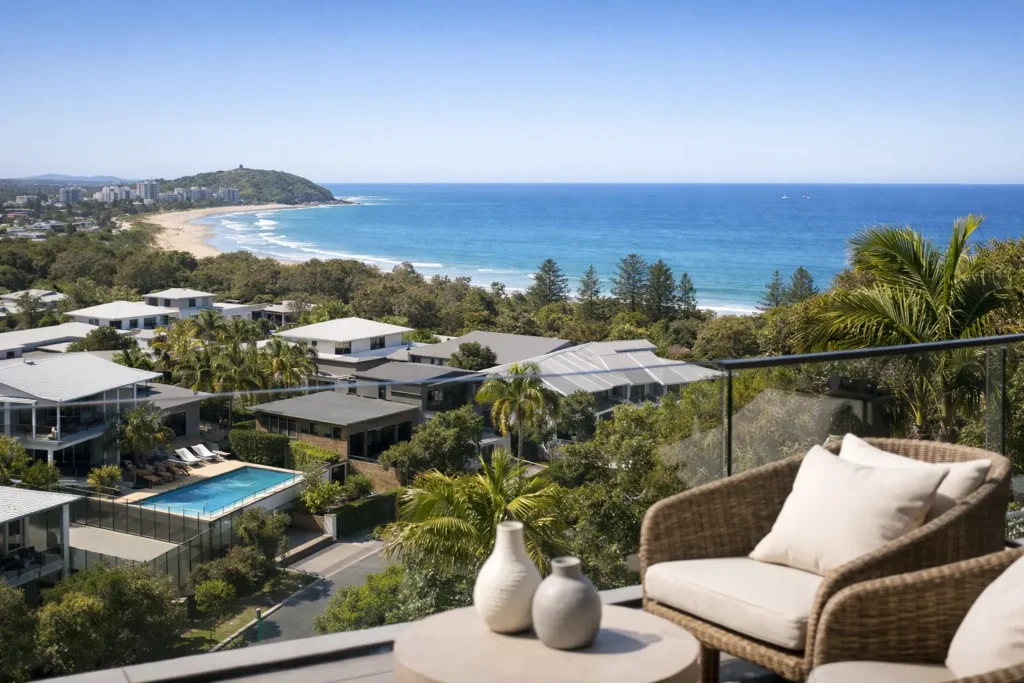
Saturday morning at Mooloolaba feels very different to Tuesday afternoon in Nambour or a quiet evening in Buderim. That is exactly why how to choose a Sunshine Coast suburb is not a simple beach versus bush decision. The right suburb can make daily life easier, protect your budget, and put you in a stronger position when it is time to sell. The wrong one can leave you paying for a lifestyle you do not actually use.
If you are buying on the Sunshine Coast, be straight with yourself from the start. Most buyers say they want it all – beach access, a big block, strong capital growth, low traffic, good schools, cafés nearby and a sharp price. In reality, every suburb comes with trade-offs. The smart move is not chasing perfection. It is choosing the suburb that best matches the way you live now and where you want to be in five to ten years.
Start with your non-negotiables
Before comparing suburbs, work out what is fixed and what is flexible. Budget is the obvious one, but it is not the only one that matters. Travel time to work, school catchments, block size, access to shops, public transport, medical services and noise levels all shape whether a suburb will feel right once the excitement of buying wears off.
A young family may put schools, parks and a practical floorplan ahead of proximity to the surf. A downsizer may care more about low-maintenance living, walkability and access to cafes or health services. An investor will usually focus harder on rental demand, vacancy rates, tenant appeal and future infrastructure.
You need a short list of genuine priorities, not a fantasy list. If being able to walk to the beach matters more than having a large backyard, say that early. If a bigger home matters more than postcode prestige, be honest about that too.
How to choose a Sunshine Coast suburb by lifestyle
Lifestyle is where many buyers get distracted. They fall in love with a suburb on a perfect day, then ignore what living there is actually like week to week.
Beachside suburbs such as Mooloolaba, Buddina, Bokarina and Coolum Beach offer a coastal feel that is hard to beat. You are paying for access, atmosphere and limited supply. That can be worth it if you use the beach often and want a more active, outdoors-driven routine. The trade-off is usually a higher buy-in price, more competition and, in some pockets, more traffic and visitor activity.
Established suburbs like Buderim, Maroochydore and Mountain Creek often appeal to buyers who want a balanced lifestyle. You can get stronger access to schools, shopping, employment hubs and major roads while still being close to the coast. These areas tend to suit families and professionals because they combine convenience with broad buyer appeal.
Further inland, places like Palmwoods, Woombye, Eudlo or Maleny attract buyers chasing space, character and a slower pace. The appeal is obvious, but so is the compromise. Commutes are longer, public transport can be less practical, and some services are not as close as they are in more built-up areas.
The point is simple. Do not buy the postcard. Buy the daily routine.
Understand what your budget really buys
Price gaps between Sunshine Coast suburbs are not random. They reflect land value, demand, scarcity, amenity and buyer perception. Two homes with similar bedrooms and bathrooms can be priced very differently if one is in a tightly held coastal pocket and the other is further inland.
That means your budget should not just determine what house you buy. It should shape which suburbs make sense in the first place.
A common mistake is stretching to enter a blue-chip suburb and ending up with a compromised property – poor layout, busy road, tiny block or expensive maintenance. Sometimes you are better off buying a stronger property in a suburb one rung below your original target. That can give you better livability now and better resale appeal later.
You also need to factor in holding costs, not just purchase price. Rates, insurance, body corporate fees if applicable, maintenance and renovation costs can shift the equation quickly. A cheaper buy can become an expensive ownership experience if the property needs constant work.
Look beyond the house to the street and pocket
Choosing a suburb is only half the job. The pocket within that suburb matters just as much.
A good street in a solid suburb will usually outperform an average street in the same postcode. Proximity to main roads, schools, shops, parks, waterways, flight paths or future development can all affect liveability and value. So can aspects buyers sometimes miss on a first inspection, such as slope, drainage, privacy, parking pressure and the general standard of surrounding homes.
This is where local knowledge counts. Buderim, for example, is not one uniform market. Some pockets feel leafy and private, others are more convenient but busier. The same applies across the Coast. Maroochydore has areas with strong owner-occupier appeal and others where traffic flow or commercial proximity changes the feel completely.
If you are serious about a suburb, visit at different times. Early morning, school pick-up, after dark and on a weekend. That gives you a more honest read than one polished open home on a sunny Saturday.
Consider schools, commute and everyday convenience
Even buyers without school-aged kids should not ignore schools. Good school zones often support stronger buyer demand and help protect resale value. For families, this factor can override almost everything else.
Commute matters too, even if you only head into an office a few days a week. A suburb can look ideal on a map but feel far less attractive when you are sitting in traffic, doing school drop-off and trying to get to training, shopping or appointments.
Convenience is not glamorous, but it affects your quality of life more than people admit. Access to supermarkets, medical services, sporting facilities, major roads and public transport can make one suburb feel effortless and another feel hard work. Buyers often underestimate this until after settlement.
Think about resale before you buy
This is where emotion needs to give way to strategy. Even if you plan to stay long term, circumstances change. Jobs change, families grow, kids move out, health needs shift and investment plans evolve. A suburb with broad market appeal gives you more options later.
Ask yourself who would want this property if you sold in three, five or ten years. Families, downsizers, professionals, investors? The larger the buyer pool, the more protection you generally have.
Properties in suburbs with a strong mix of amenity, transport, lifestyle appeal and owner-occupier demand often hold up better across market cycles. That does not mean every premium suburb is automatically the right buy, or every affordable suburb is a bargain. It means you should look for lasting demand, not hype.
A no-bullshit rule here is this: if the suburb only works because you are telling yourself a very optimistic story about future growth, be careful.
How to choose a Sunshine Coast suburb for investment
If the purchase is mainly about returns, the decision-making process changes. You still want a suburb people genuinely want to live in, but you need to be stricter about numbers.
Rental demand, vacancy rates, median price growth, tenant demographics and likely maintenance costs all matter. So does the style of property that performs best in that area. In one suburb, low-maintenance family homes may rent fast and hold value well. In another, units near lifestyle amenity may make more sense.
Do not assume the cheapest suburb has the most upside. Equally, do not assume prestige delivers the best return. Investors need to balance yield, growth potential and risk. A local agent with on-the-ground knowledge can often tell you far more about what tenants and buyers actually want than broad market headlines ever will.
Watch for emotional buying traps
Every buyer has blind spots. Some overpay for a view they will barely use. Others fixate on a trendy suburb name and ignore a poor property. Some buy too far from their daily life because the listing photos made the move feel romantic.
Good buying decisions are usually calm ones. If you feel rushed, unclear or overly emotional, slow down. The Sunshine Coast has a diverse market, from waterfront apartments to hinterland acreage. That variety is a strength, but it also means there is no single best suburb for everyone.
The best suburb is the one that fits your budget, supports your lifestyle, holds appeal for future buyers and does not rely on wishful thinking to stack up.
Local advice helps here, particularly if you are weighing very different areas or trying to judge value between neighbouring suburbs. A straight-talking local operator like du Preez Property Group can help cut through the sales spin and focus on what actually matters.
When you are deciding how to choose a Sunshine Coast suburb, keep bringing yourself back to the same question: will this location still make sense when the novelty wears off and real life kicks in? If the answer is yes, you are probably getting closer to the right call.
About the Author
Rudi du Preez is one of the Sunshine Coast's top real estate agents and director of du Preez Property Group at Amber Werchon Property. A 25-year local with 250+ properties sold, specialising in Buderim, Nambour and the Sunshine Coast hinterland.
Get a Free Appraisal