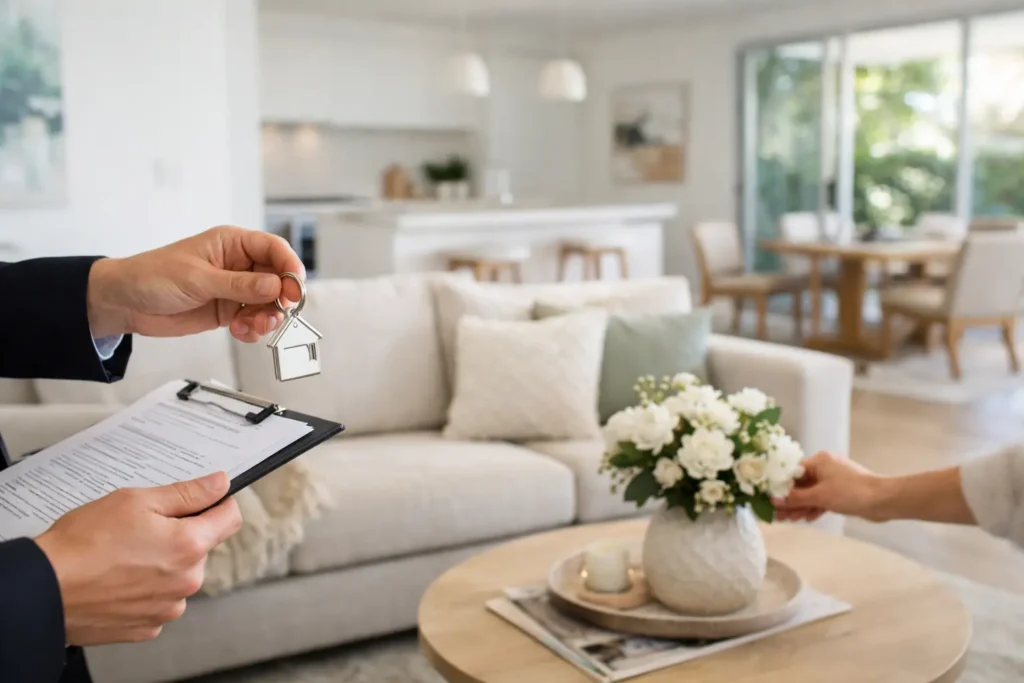
Buyers decide fast. Often within seconds of walking through the door, they’re already forming a view on whether your property feels worth the asking price. That’s why so many sellers ask, should I stage my home before selling? The honest answer is not always – but in many cases, smart staging can help your home feel more desirable, photograph better, and attract stronger offers.
The key is not treating staging like a styling trend or a vanity exercise. It’s a sales strategy. Done properly, it helps buyers picture themselves living in the home, reduces distractions, and supports the price you’re trying to achieve. Done badly, it can be expensive, overcooked, and unnecessary.
Should I stage my home if the market is already strong?
A strong market does not automatically mean you can skip presentation. Good homes in desirable pockets of the Sunshine Coast can attract plenty of interest, but buyer expectations still matter. If your home looks tired, cluttered, too personal, or poorly laid out, buyers will factor that into what they’re willing to pay.
In simple terms, staging is about removing reasons for hesitation. Even in a busy market, hesitation costs money. Buyers who feel unsure tend to offer lower, push harder in negotiations, or walk away and wait for the next listing.
That said, not every property needs full furniture hire and magazine-level styling. Some homes need a complete presentation overhaul. Others just need a proper clean, better furniture placement, fresh linen, and a few cosmetic improvements. The right approach depends on the property, the likely buyer, and the price bracket.
What staging actually does
Staging works because buyers are emotional before they are logical. They notice light, space, flow, warmth, and whether the home feels easy to live in. They also notice mess, wear and tear, oversized furniture, dark rooms, and rooms that don’t make sense.
A well-staged home helps define each space clearly. A spare room becomes a home office instead of a storage zone. A cramped living area feels larger because the furniture scale is right. Outdoor areas feel usable rather than forgotten. In online marketing, that difference matters even more. Photos have to stop buyers scrolling and make them want to inspect.
This is particularly relevant in lifestyle-driven markets. In places like Buderim, Mooloolaba, Caloundra or the hinterland, buyers are often purchasing more than walls and a roof. They’re buying a way of living. If the home does not present that lifestyle clearly, you are leaving part of its value on the table.
When staging is worth the money
Staging tends to deliver the best return when the property is vacant, dated in appearance, unusually laid out, or aimed at a higher-end buyer who expects polish. Empty homes can feel cold, smaller than they are, and harder to interpret. Buyers struggle to judge how furniture fits, and the property can photograph flat.
It is also worthwhile when your existing furniture works against the sale. That might mean bulky lounges shrinking a room, too much dark timber making the home feel heavy, or personal décor distracting from the property itself. In those cases, partial staging or restyling can make a real difference without the cost of fully replacing everything.
If you’re selling in a price bracket where presentation standards are high, poor styling can quietly cost you far more than the staging fee. Buyers spending serious money expect a home that feels cared for and well presented. They may never say, this needs staging. They just lower their emotional connection and their offer.
When the answer to should I stage my home is probably no
There are times when staging is not the best use of your money. If the home is already well presented, modern, light-filled and furnished appropriately, you may not need much more than a pre-sale tidy-up and some objective advice. Likewise, if the property is likely to be bought mainly for land value, redevelopment potential, or renovation upside, expensive styling may have limited impact.
The same applies if the budget is tight and the home has bigger issues to address first. There is no point spending thousands on furniture hire if peeling paint, stained carpet, damaged screens, or poor street appeal are still turning buyers off. Presentation starts with maintenance. Styling comes after that.
This is where straight advice matters. Sellers do not need fluff. They need to know what will move the needle and what is just window dressing.
The most cost-effective way to stage a home
Full professional staging can work well, but it is not the only option. In many homes, the best result comes from a more practical middle ground. Declutter first. Remove excess furniture, clear benchtops, simplify shelves, and pack away highly personal items. Buyers should notice the home, not your family photos, fridge magnets, or crowded cupboards.
Then focus on the basics buyers actually respond to. Clean windows. Fresh towels. Neutral bedding. Good lighting. A mowed lawn. A pressure-cleaned driveway. A tidy outdoor setting. Minor repairs finished properly. These are not glamorous changes, but they affect first impressions more than people realise.
Furniture layout matters too. A room should feel easy to walk through and easy to understand. If a dining room is being used as a dumping ground or a study nook has taken over the living area, fix it. Every room needs a clear purpose.
Should I stage my home for photos only?
Sometimes, yes. If you are living in the property and a full campaign with hired furniture is not realistic, a targeted styling session for the photo shoot and open homes can be enough. The goal is to lift the visual quality of the listing and make the inspection experience stronger.
This can include bringing in a few key pieces, adjusting furniture placement, upgrading soft furnishings, and removing items that drag the home down. It is a practical option for owner-occupiers who want a better result without fully moving out.
What matters is consistency. If the property looks fantastic online but disappointing in person, buyers feel let down. The standard in the photos should match what they walk into.
How to decide what your home needs
The best question is not simply should I stage my home. It is what level of presentation will help this particular property sell for the best price? That answer depends on buyer profile, competition, condition, and campaign strategy.
A coastal apartment aimed at downsizers and lifestyle buyers might benefit from clean, minimal styling that highlights light and space. A family home may need warmth, practicality, and better room definition. An acreage property might need presentation that helps buyers connect with both the home and the outdoor lifestyle. One-size-fits-all staging rarely works.
It also helps to look at competing listings honestly. If nearby homes at a similar price point are beautifully presented and yours is average, buyers will compare hard. You do not have to outspend the market, but you do need to meet it.
The risk of over-staging
There is such a thing as too much. If a home is styled in a way that feels artificial, trendy to the point of being distracting, or disconnected from the property itself, buyers notice. A modest brick home does not need a luxury editorial fit-out. It needs to feel fresh, functional, and appealing to the people most likely to buy it.
Over-staging can also create unrealistic expectations. If the finish of the home is basic but the styling suggests a much higher-end product, buyers may feel the presentation is covering weaknesses rather than enhancing strengths. Good staging should support the property, not fight with it.
A practical rule sellers can use
If your home is clean, well maintained, and already furnished in a way that feels light, neutral and spacious, you may only need guidance on editing and presentation. If it is empty, cluttered, heavily personalised, or visually dated, some level of staging is probably worth considering.
That does not mean throwing money around. It means making smart decisions based on buyer psychology and expected return. The right changes can help create urgency, improve competition, and put you in a stronger negotiating position. That is where the real value sits.
At du Preez Property Group, the advice is simple: treat staging as part of the sales plan, not a box to tick. Some homes need the full treatment. Others need a sharp eye, honest feedback, and a few strategic fixes. If you want the best price for your home, presentation should never be left to guesswork.
Before you spend a dollar, get clear on what your buyers need to see, feel and believe when they walk through the door. That is usually where the best sale result starts.
About the Author
Rudi du Preez is one of the Sunshine Coast's top real estate agents and director of du Preez Property Group at Amber Werchon Property. A 25-year local with 250+ properties sold, specialising in Buderim, Nambour and the Sunshine Coast hinterland.
Get a Free Appraisal