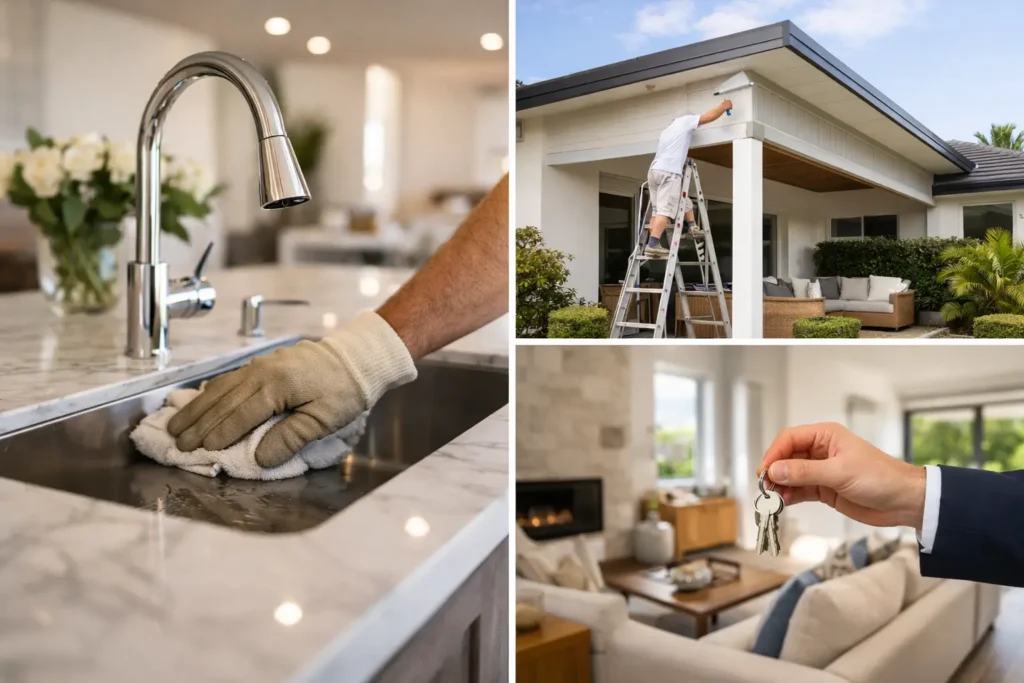
A buyer can make up their mind about your home before they reach the front door. On the Sunshine Coast, where lifestyle, presentation and competition all influence the final price, the top home upgrades before selling are rarely the most expensive ones. They are the improvements that make a property feel cared for, easy to move into and worth competing for.
The wrong renovation can drain money and delay your campaign. The right preparation helps your marketing work harder, brings more qualified buyers through the door and gives you a stronger position when negotiations begin. The aim is not to build your dream home for the next owner. It is to remove objections and make the value of your property obvious.
Start with the upgrades buyers can see
Buyers notice condition before they notice potential. A tired exterior, overgrown garden or stained driveway can make them assume there are bigger problems inside, even where there are not. First impressions set the tone for every inspection, online listing and conversation that follows.
A professional exterior clean is often one of the best-value jobs before sale. Pressure cleaning paths, driveways, patios, retaining walls and pool surrounds can lift the whole property quickly. Clean cobwebs from eaves, wash windows inside and out, and make sure gutters, gates and fences look maintained.
Gardens should look tidy, healthy and manageable. Mow the lawn, edge the paths, prune overgrown shrubs and remove dead plants. In coastal areas, where outdoor living is a major drawcard, buyers need to see usable spaces rather than a weekend of work. Fresh mulch, a few well-placed potted plants and a clean outdoor setting can make a modest yard feel more inviting without pretending it is something it is not.
Do not overlook the entry. A freshly painted front door, working doorbell, updated house numbers and good lighting make a genuine difference. This is not about overcapitalising. It is about showing buyers that the home has been respected from the street right through.
Paint is one of the top home upgrades before selling
If there is one improvement that consistently changes how a home feels, it is paint. Neutral, well-finished walls make rooms look cleaner, brighter and larger in photographs and at inspections. They also allow buyers to picture their own furniture, art and routines in the space.
Focus on high-traffic areas first: entry halls, living rooms, kitchens, main bedrooms and any walls marked by children, pets or everyday wear. Crisp white trim and a restrained neutral wall colour generally appeal to the widest buyer pool. Bold feature walls can work in a well-designed home, but dated colours or heavily personalised choices are usually worth replacing.
Painting is also an honest way to address small cosmetic flaws. It will not solve damp, cracking or structural movement, and it should never be used to conceal a defect. If a problem needs proper repair, deal with it properly. Buyers and building inspectors tend to find shortcuts, and a small issue handled badly can damage trust at the point of negotiation.
Make the kitchen feel clean and current
Kitchens sell homes, but that does not mean every seller needs a full kitchen renovation. Replacing cabinets, benchtops and appliances shortly before sale can be expensive, disruptive and difficult to recover, particularly if the buyer would have chosen a different style.
Instead, assess the kitchen with fresh eyes. Are cupboard doors aligned? Are handles dated or loose? Does the grout look tired? Are the benchtops clear, the splashback clean and the lighting adequate? Replacing handles, repairing hinges, refreshing silicone, updating a tired tapware set and installing modern pendant or task lighting can produce a noticeable improvement for a controlled spend.
If appliances are faulty, repair or replace them. Buyers expect core items to work. If they are simply older but functional, a thorough clean may be enough. The same principle applies to bathrooms: clean grout, fresh silicone, functioning exhaust fans, good lighting and a neat vanity can transform the room without the cost of a complete rebuild.
A full renovation may make sense if the kitchen or bathroom is clearly below the standard expected for comparable homes in your price bracket. That decision should be based on local buyer expectations, not television renovation shows. In some Sunshine Coast lifestyle markets, buyers will pay for a move-in-ready finish. In others, they will value location, land, views or proximity to the beach far more than a brand-new bathroom.
Fix the small jobs that create big doubts
Buyers do not normally walk away because of one loose handle. They do, however, become cautious when a home presents a long list of little unfinished jobs. A dripping tap, sticking sliding door, cracked tile, blown light globe and damaged flyscreen can collectively suggest that maintenance has been ignored.
Walk through the property as if you were inspecting it for the first time. Open every door and cupboard. Test taps, toilets, lights, fans, air conditioning and garage doors. Check window locks, flyscreens, wardrobes, fences and outdoor taps. Replace broken switch plates and repair obvious dents, chips or peeling paint.
This practical work is not glamorous, but it protects the buyer’s confidence. It also reduces the risk of a purchaser using minor defects as leverage after a building and pest inspection. Be realistic: older homes will have wear and tear. The goal is not perfection. The goal is a home that feels sound, functional and transparently maintained.
Improve light, comfort and everyday liveability
A dark or stuffy home can feel smaller than it is. Before photography and inspections, maximise natural light by cleaning windows, opening blinds and removing heavy furniture that blocks key windows. Replace dated or mismatched light fittings where appropriate, and use warm, consistent bulbs throughout the home.
Air conditioning and ceiling fans are especially relevant in Queensland. Have them cleaned and serviced if needed, and ensure remotes are present and working. If a room has poor airflow, poor lighting or an awkward layout, address the simple parts first. Better furniture placement, a lighter window treatment or a fresh coat of paint can often improve the experience more than a costly structural change.
For homes with decks, patios or pools, show buyers how they will use them. Clean outdoor furniture, shade, clear walkways and safe pool surrounds matter. Buyers are not just assessing bedrooms and bathrooms. They are buying weekend lunches, family gatherings and the lifestyle the property can support.
Do not spend money where buyers will not pay you back
The biggest pre-sale mistake is assuming every dollar spent on renovation returns more than a dollar at sale. It does not. Highly personal upgrades, premium finishes above the suburb standard and major works with no time to settle can create more stress than value.
Avoid starting a renovation that cannot be completed properly before launch. Half-finished work is worse than dated but clean and functional spaces. Be cautious about expensive landscaping, solar upgrades, elaborate smart-home systems and luxury appliances unless they suit the property, likely buyer and local price range.
A buyer might love a new designer kitchen, but they may still value a well-priced, beautifully presented original kitchen in the right location more highly. The best strategy depends on the home’s condition, its likely competition and the buyer pool you need to attract.
Get the order right before your campaign begins
Preparation works best when it is planned, not rushed. Start with a realistic appraisal and an honest review of your home’s strengths, weaknesses and likely buyer expectations. Then prioritise repairs, cleaning, paint and presentation before spending on anything cosmetic.
At du Preez Property Group, the advice is straightforward: invest where it will help buyers see value and compete with confidence, not where it merely makes the home look expensive. A clear plan also gives you time to organise trades, style key rooms and launch your marketing when the property is genuinely ready.
Before committing to major work, ask one practical question: will this improvement help the next buyer choose my home over comparable properties? If the answer is unclear, keep the money in your pocket and focus on presentation, maintenance and a sales strategy built for the best possible result.
About the Author
Rudi du Preez is one of the Sunshine Coast's top real estate agents and director of du Preez Property Group at Amber Werchon Property. A 25-year local with 250+ properties sold, specialising in Buderim, Nambour and the Sunshine Coast hinterland.
Get a Free Appraisal